

Building the Blueprint for P-Blocks Clean Indoor Air
With the Queensland University of Technology’s P-Block project well underway, the team has been working to progress a number of critical stages of the project to implement the world-first building alignment for proposed indoor air quality (IAQ) standards.
The challenge of retrofitting an active building requires more than just hardware; it requires the integration of physical monitors, digital mapping, and artificial intelligence.
Our team has been working across the three core pillars to ensure P-Block becomes the first mixed-use public building to fully implement a proposed ‘blueprint’ for IAQ standards.
Monitoring Technologies
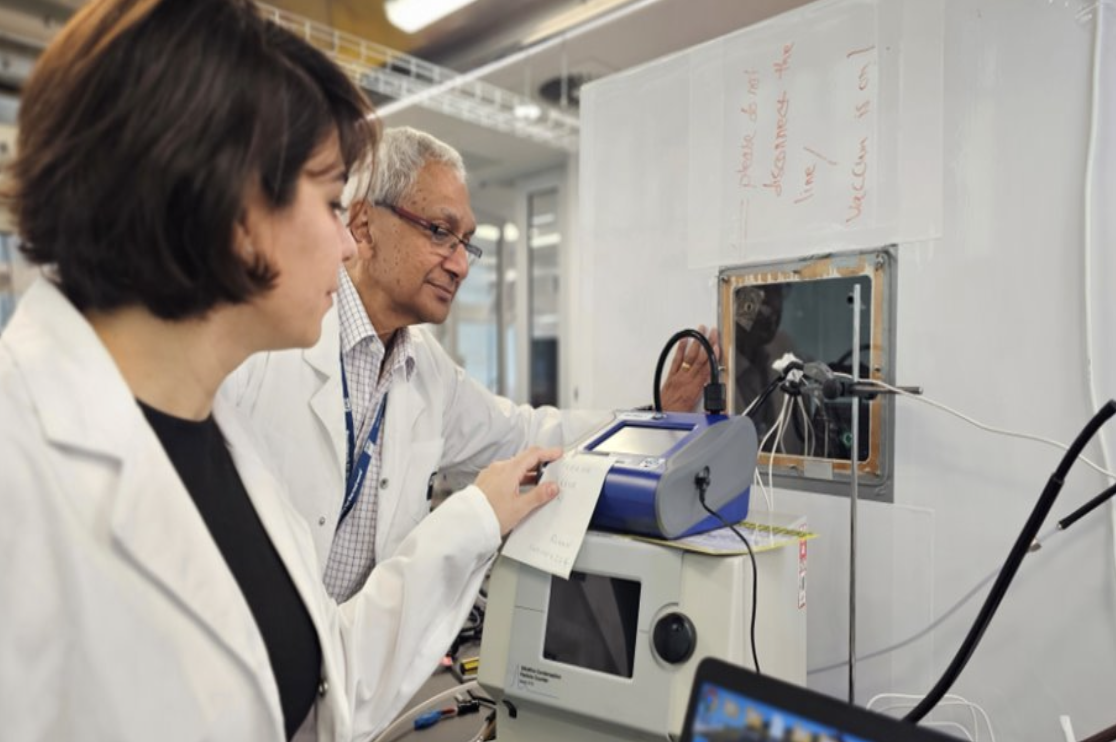
Before we can manage IAQ, we must be able to measure it with certainty. The Monitoring Team has completed the selection process for the project’s air quality monitors, specifically to measure CO2, PM2.5 and CO. Short-listed monitors are now moving to the next stage of testing.
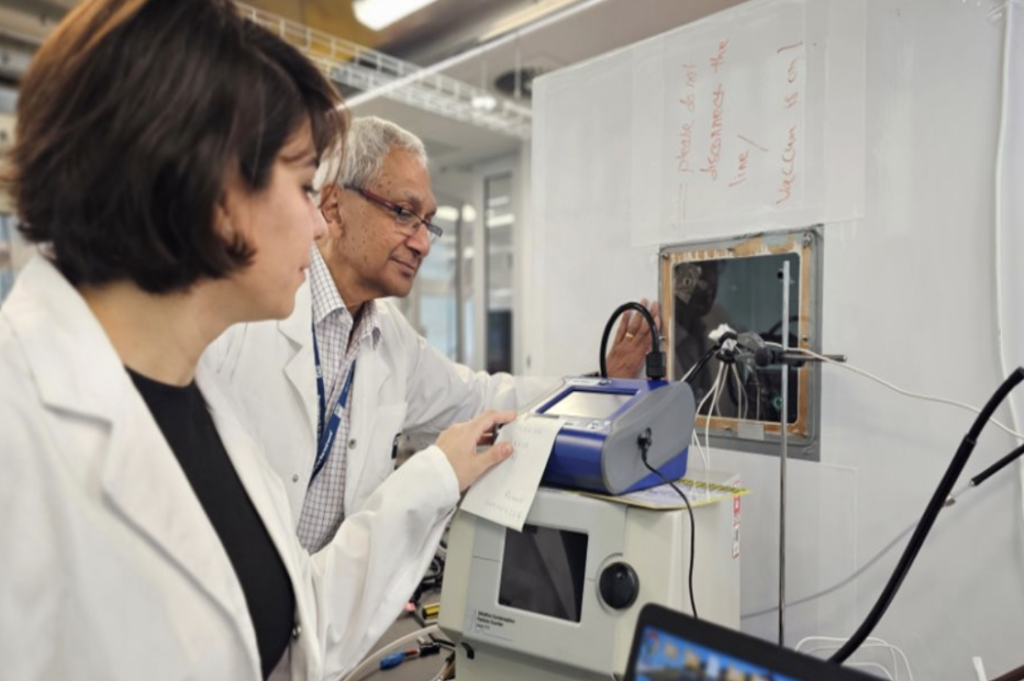
Each monitor is being subjected to laboratory testing where they are exposed to a range of different conditions and pollutant concentrations. This ensures we select a monitor which is best suited to demonstrate real-time compliance with proposed IAQ standards.
Creating the Digital Twin
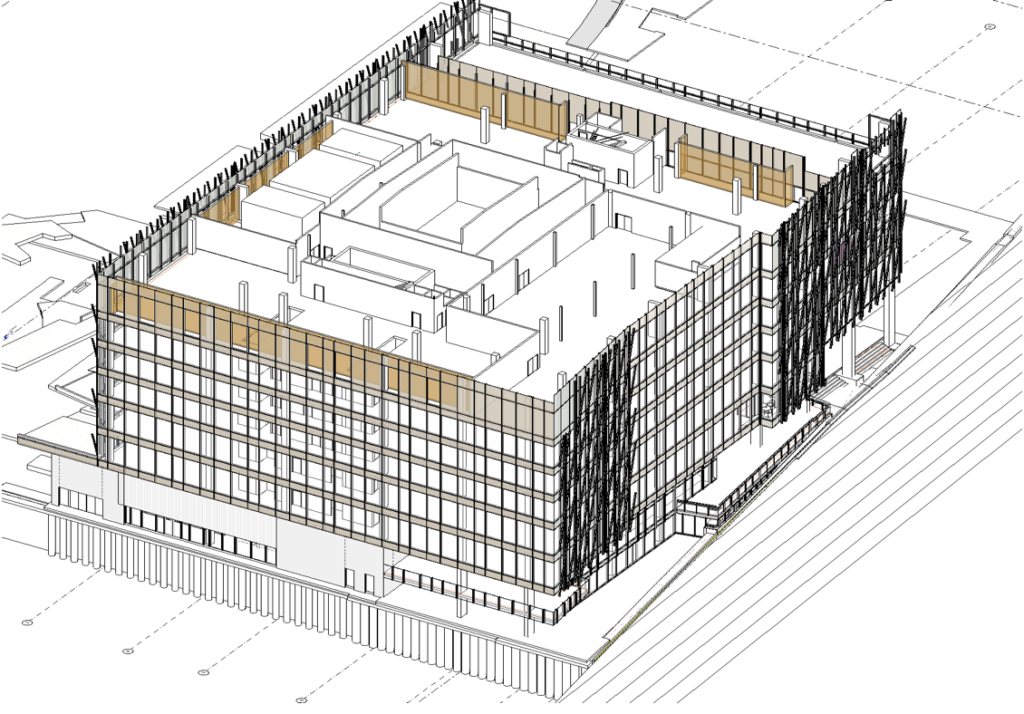
To best optimise the building, you must replicate the space virtually. Comprehensive 3D digital scans of the key floors within the P-Block have been undertaken and we are now testing various platforms and user interfaces. The ‘Digital Twin’ serves as a primary tool for visual and communication purposes, allowing us to map data onto an interactive.
The AI Model
To combine data from IAQ, building energy and ventilation, a customised AI Model is being developed. We have implemented a multi-objective optimisation framework to balance competing goals across building operations. This will ensure the most efficient performance while communicating seamlessly with the building management system (BMS).
Initial test simulations are utilising a reinforcement learning approach to train the AI Model. As with any smart infrastructure, security is critical; the team has been working to develop secure communication protocols with relevant redundancies to ensure the AI Model remains resilient and reliable.