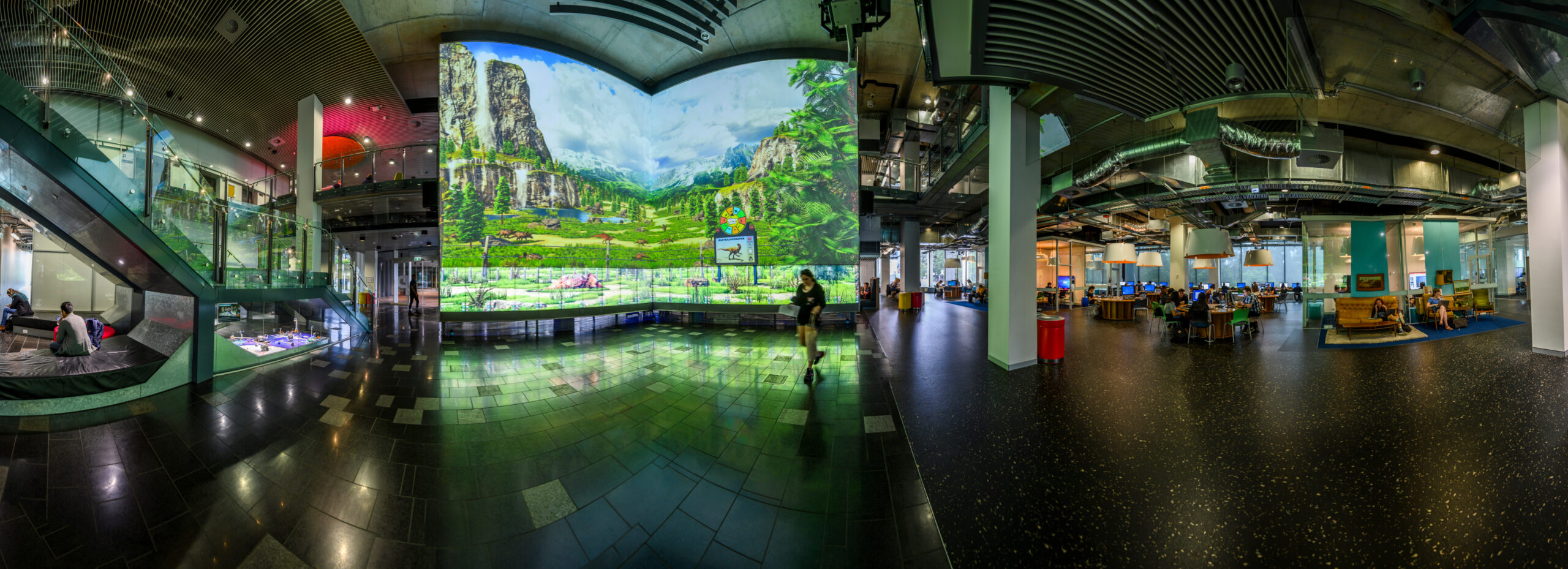
About P Block
Indoor air quality is central to health, wellbeing, learning and productivity, yet most building codes still focus on temperature and energy use rather than the air people breathe. This project turns world-leading IAQ research into a practical, real-world standard for public buildings.

01 Project objectives
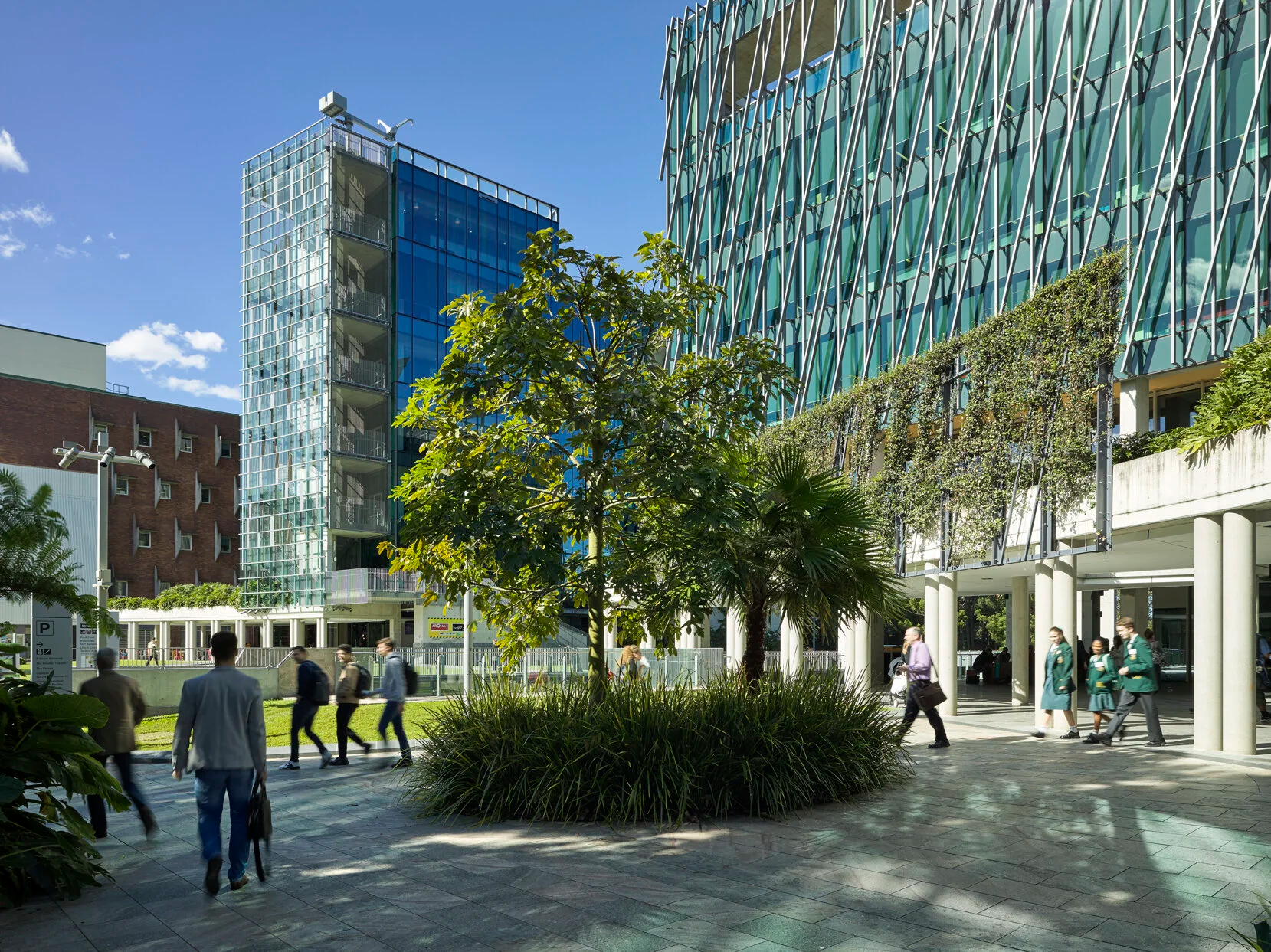
We are retrofitting QUT’s Science and Engineering Building (P Block) to become the first mixed-use public building to fully implement a proposed “blueprint” for indoor air quality standards.
This project aims to:

Comply
Comply with the proposed IAQ standards for public spaces.

Demonstrate
Demonstrate this compliance in real time.

Document
Document the process, costs & benefits of achieving this.

Analyse
Analyse how IAQ standards can be implemented in regulation & practice.
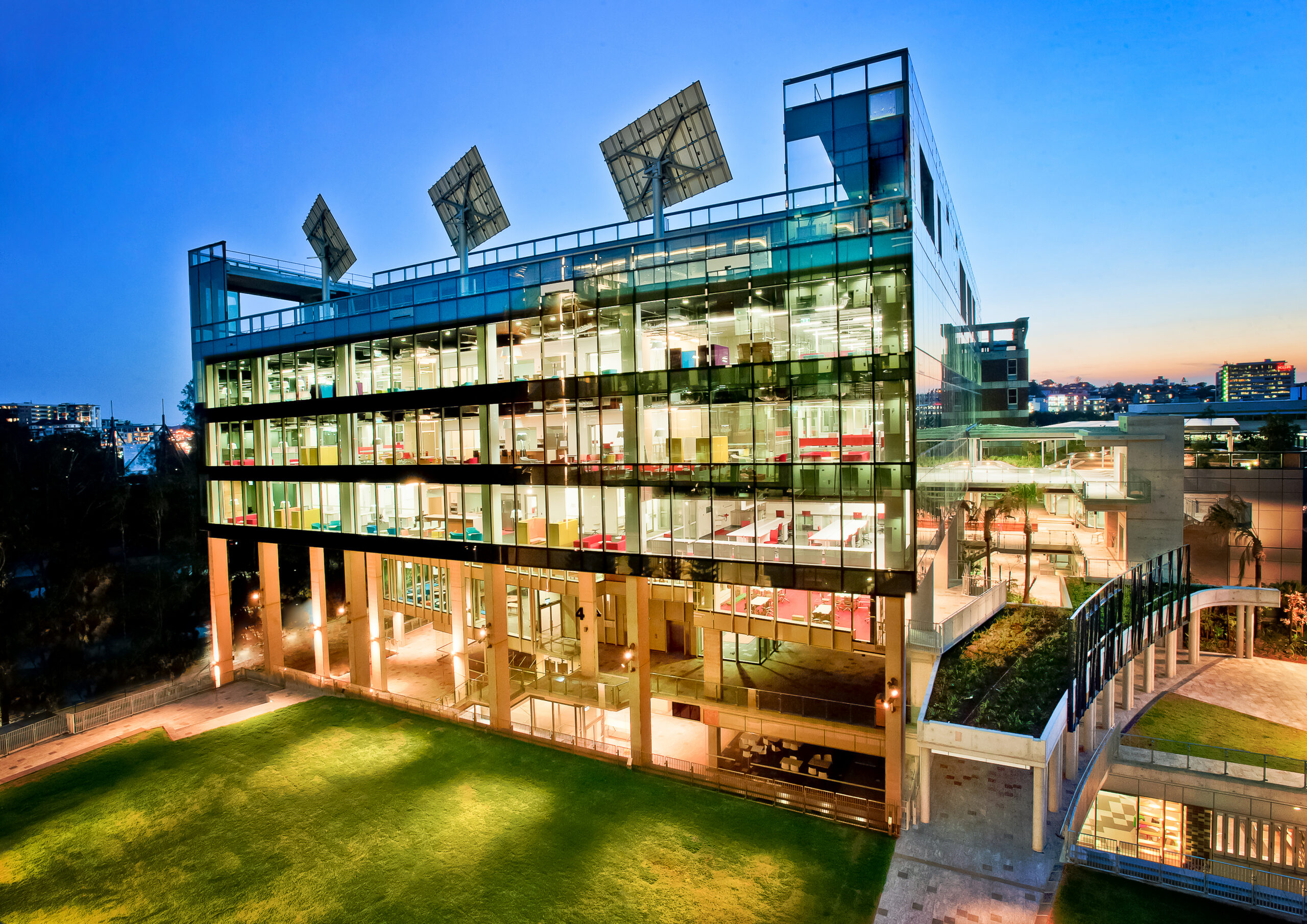
Table 1. Proposed parameter levels
Values may be adjusted to reflect local circumstances and priorities.
(i) 24-hour level from (3).
(ii) When 100% of air delivered to the space is outdoor air, assuming outdoor CO₂ concentration is 450 ppm; based on classroom scenario (see SM).
(iii) Delta is the difference between the actual CO₂ concentration and the CO₂ concentration in the supply air.
(iv) 8-hour averaging time, from (15).
(v) Clean air supply rate in the breathing zone; see (12). At 25°C and 1 atm for CO, 1 ppb = 1.15 µg/m³. Threshold is the concentration level of CO₂ that must not be exceeded.
| Level | Average time or setpoint | |
|---|---|---|
| PM₂.₅, µg/m³ | 15(i) | 1-hour |
| CO₂, ppm | 800 (absolute value)(ii) | threshold |
| 350 (delta)(iii) | threshold | |
| CO, mg/m³ | 100(iv) | 15 minutes(iv) |
| 35(iv) | 1 hour(iv) | |
| 10(iv) | 8 hours(iv) | |
| Ventilation (L/s/person) | 14(v) | When the space is occupied |
02 Why is it important?
What will it do for airborne pathogens?
Airborne infections, pollutants and poor ventilation contribute to substantial disease burden and economic loss, yet IAQ performance standards are rarely enforced.
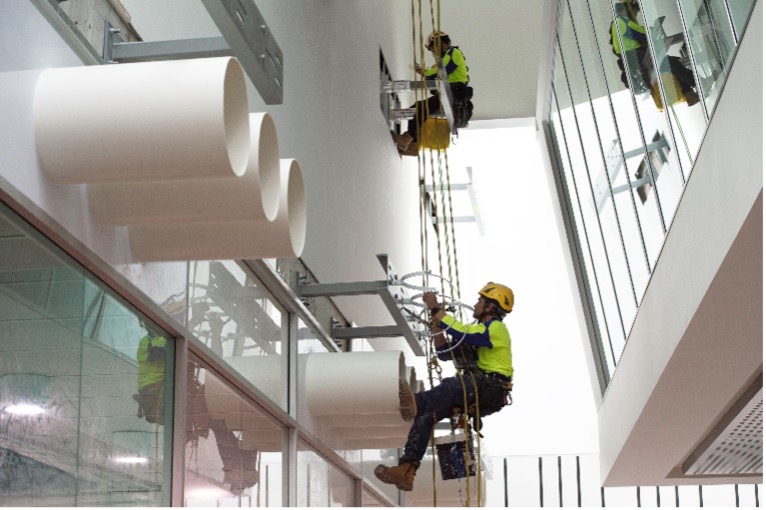
Ventilation must actively remove respiratory aerosols and pollutants, be measured continuously, and be managed as a core public-health control, not an afterthought in building design.
Our project provides a tested model for how buildings can meet this challenge in everyday operation, not only in theory.